Gold365Exchange vs Gold365 – Complete Comparison Guide 2026: Features, Fees, Security & More
Introduction
The Indian precious‑metal market has seen rapid digital transformation, and two brands frequently surface in conversations: gold365 exchange and Gold365. While the names sound similar, they serve distinct user segments, offer different technological stacks, and have unique regulatory frameworks. As of 2026, both platforms claim robust trading tools, competitive pricing, and secure storage for physical gold, but investors and traders need a concrete side‑by‑side evaluation before committing funds.
What Are Gold365Exchange and Gold365?
Gold365Exchange is a fintech‑driven marketplace that combines spot gold trading, digital contracts, and a seamless integration with bank accounts for instant settlement. Launched in 2020, the platform positions itself as a fully regulated electronic exchange, offering both retail and institutional participation. Its core proposition is a hybrid model that lets users trade gold‑linked derivatives while optionally taking physical delivery through partner vaults.
Conversely, Gold365 operates primarily as a traditional bullion dealer with an online storefront. It focuses on buying, selling, and storing physical gold bars and coins. The service is rooted in a brick‑and‑mortar network of vaults across major Indian cities, providing customers with a tangible ownership experience. Gold365 does not offer derivatives or leveraged products; its emphasis remains on simplicity and direct asset custody.
Regulatory Landscape
Both platforms comply with the Reserve Bank of India (RBI) guidelines, but their licensing differs. Gold365Exchange holds a Certificate of Authorization (CoA) as a recognized exchange under the Securities and Exchange Board of India (SEBI). This status permits the platform to list gold futures and options, subjecting it to stringent reporting, capital adequacy, and market surveillance requirements.
Gold365, meanwhile, operates under a bullion dealer license issued by the Ministry of Corporate Affairs and aligns with the RBI’s Gold Monetization Scheme. Its regulatory obligations focus on KYC, AML, and secure storage certifications rather than market‑making duties. Understanding these distinctions helps investors gauge the level of oversight they can expect from each service.
Account Creation and Onboarding
The onboarding experience reflects each platform’s target clientele. Gold365Exchange’s process is heavily digitized: users submit PAN, Aadhaar, and bank verification documents via an encrypted portal, then undergo a brief video KYC. The workflow typically concludes within 15 minutes, after which the account becomes active for trading.
For those who prefer a physical relationship, Gold365 requires a more traditional paperwork route, often involving a visit to a branch or a certified partner office to complete the KYC and sign a custodial agreement. This method can take 2‑3 business days, but it provides the added reassurance of face‑to‑face verification.
New users seeking immediate digital access can begin with the gold365 exchange signup page, which guides them through each step and highlights the required documents.
Login and Account Management
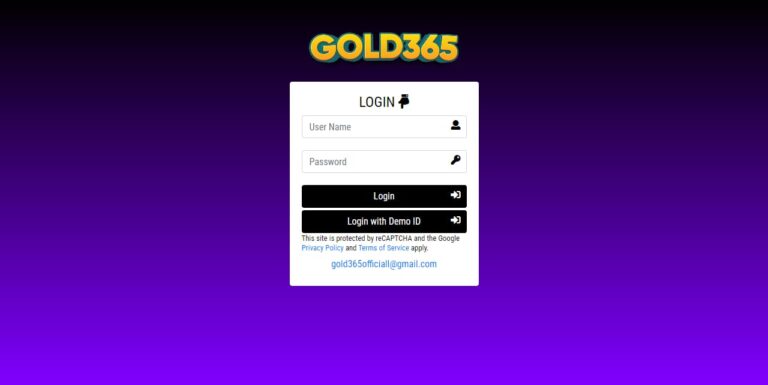
Once an account is established, daily operations hinge on a secure login interface. Gold365Exchange utilizes two‑factor authentication (2FA) with OTPs sent to the registered mobile number, alongside optional biometric verification for its mobile app. This layered security aligns with SEBI’s guidelines for electronic trading platforms.
Gold365’s portal relies on a classic username/password combination combined with a security question. While the platform does offer 2FA for fund withdrawals, routine login does not demand it, reflecting its lower risk profile compared to derivative trading.
Existing users can access their dashboard through the gold365 exchange login portal, where they can monitor holdings, place trades, and request physical delivery if desired.
Trading Instruments and Product Range
Gold365Exchange shines in product diversity. Users can trade:
- Spot gold contracts (digitally settled)
- Gold futures with varying expiries (weekly, monthly, quarterly)
- Gold options (call and put) for hedging strategies
- Gold‑linked ETFs that mirror international price movements
- Leverage up to 5x on spot contracts for qualified investors
These instruments cater to active traders, portfolio managers, and even speculative investors looking for short‑term opportunities.
Gold365, by contrast, offers a curated catalog of physical products:
- 24‑karat gold bars ranging from 1 gram to 1 kilogram
- Popular coins such as the Indian 10‑gram Gold Coin and international 1‑ounce sovereigns
- Customized jewelry purchase programs with certification
There are no derivatives, leverage, or electronic contracts; the focus remains on tangible asset acquisition.
Pricing Structure and Fees
Understanding fee transparency is crucial for budgeting. Gold365Exchange applies a tiered fee model:
- Spot contract spread: 0.10% of trade value (variable by market liquidity)
- Futures commission: INR 25 per contract, plus a 0.05% turnover fee
- Options premium: Standard exchange‑determined premium plus INR 10 per lot
- Physical delivery fee: INR 150 per transaction plus courier costs
Gold365’s fee schedule is simpler:
- Purchase premium: 0.5% above the spot market price (covers minting and handling)
- Storage fee: 0.15% annually of the gold’s market value, billed quarterly
- Delivery charge: Fixed INR 200 for domestic dispatch, plus courier distance
When comparing, active traders may favor Gold365Exchange’s low spreads, while long‑term holders might appreciate Gold365’s straightforward storage rate.
Security and Asset Safekeeping
Security protocols differ markedly because of the nature of the assets. Gold365Exchange stores digital contracts in a segregated account with a Tier‑1 clearing house, ensuring that client positions are isolated from the company’s balance sheet. Physical gold earmarked for delivery is held in RBI‑approved vaults, each equipped with biometric access, 24/7 surveillance, and independent audits.
Gold365 maintains a network of certified vaults operated by third‑party security firms. Each vault holds insured gold, with annual reports filed to the RBI. Customers receive a Certificate of Ownership and can request an audit trail at any time. The physical custody model appeals to investors who value tangible proof of ownership.
Insurance Coverage
Both platforms carry insurance policies covering theft, natural disasters, and accidental loss up to INR 1 crore per client. Gold365Exchange’s policy is bundled with the clearing house’s guarantee fund, while Gold365’s insurance is provided by a specialist bullion insurer, reinforcing the physical custody approach.
Technology and User Experience
Gold365Exchange offers a web‑based trading platform built on React.js, delivering real‑time price charts, order‑book depth, and algorithmic trading APIs for advanced users. The mobile app mirrors the desktop experience, supporting push notifications for price alerts and order confirmations.
Gold365’s website emphasizes a clean storefront layout, with high‑resolution images of each gold product, a simple “Add to Cart” flow, and a secure checkout powered by a reputable payment gateway. The mobile experience is responsive but does not include live market data, reflecting its focus on physical inventory.
Liquidity and Market Access
Liquidity on Gold365Exchange derives from its integration with multiple brokerage houses and institutional participants. The platform regularly publishes average daily volume (ADV) figures, which in 2025 exceeded 150 metric tons, ensuring tight spreads and rapid order execution.
Gold365’s liquidity is synonymous with inventory. The dealer maintains a fleet of gold bars and coins, replenished through relationships with refiners and international mints. While the inventory turnover is high (average 30 days), the lack of electronic market depth means price adjustments follow market benchmarks rather than instantaneous order matching.
Customer Support and Education
Both services provide multi‑channel support, yet the depth varies. Gold365Exchange runs a 24/7 live chat, phone helpline, and email desk staffed by certified financial analysts. The platform also offers a knowledge hub, webinars on derivatives trading, and a sandbox environment for paper trading.
Gold365 delivers support during standard business hours (9 am‑6 pm IST) via phone and email. Its educational resources focus on gold investment basics, storage safety, and market fundamentals, catering to first‑time buyers and retirees seeking wealth preservation.
International Reach and Partnerships
Gold365Exchange has forged partnerships with global exchanges such as the London Metal Exchange (LME) and the Shanghai Gold Exchange, allowing Indian traders to access cross‑border pricing and arbitrage opportunities. These collaborations also enable the platform to settle trades in multiple currencies, though the primary settlement remains in INR.
Gold365 collaborates with international mint houses (e.g., PAMP, Royal Canadian Mint) to source premium coins, expanding its catalog beyond domestic offerings. While the platform does not provide direct foreign exchange services, customers can purchase foreign‑minted coins and have them stored in the same vault system.
Compliance, AML, and KYC
Both platforms adhere to the Know Your Customer (KYC) and Anti‑Money Laundering (AML) guidelines set by the RBI and SEBI. Gold365Exchange’s compliance team utilizes AI‑driven transaction monitoring to flag suspicious activity, with a dedicated compliance officer reviewing alerts in real time.
Gold365 follows a manual review process, with daily audits conducted by an external compliance firm. While effective, the manual approach may result in longer verification times for large purchases, especially for non‑resident Indians (NRIs) seeking to buy gold.
Pros and Cons Summary
Gold365Exchange
- Pros: Wide range of tradable products, low spreads, high liquidity, 24/7 support, advanced API access.
- Cons: Requires digital literacy for derivatives, higher regulatory compliance steps for large accounts, physical delivery incurs extra fees.
Gold365
- Pros: Direct ownership of physical gold, simple pricing, trusted vault network, suitable for long‑term investors.
- Cons: Limited to physical products, no leverage or derivatives, slower onboarding for remote users.
Which Platform Is Right for You?
The decision hinges on your investment goals:
- If you seek active trading, hedging, or exposure to global gold price movements, Gold365Exchange offers the tools and market depth you need.
- If your objective is to accumulate physical gold for wealth preservation, inheritance planning, or gifting, Gold365 provides a straightforward, secure pathway.
Many investors adopt a hybrid strategy—using Gold365Exchange for speculative positions while maintaining a baseline physical allocation with Gold365. This approach balances liquidity with tangible asset security.
Conclusion
In 2026, the Indian gold market continues to mature, offering both digital and traditional avenues for investors. gold365 exchange represents the cutting edge of electronic gold trading, delivering a suite of derivatives, robust security, and real‑time market access. Gold365, on the other hand, remains a steadfast custodian of physical gold, emphasizing transparent pricing and reliable storage.
By assessing factors such as regulatory oversight, product range, fee structures, and personal comfort with technology, you can align your choice with your financial objectives. Whether you gravitate toward the dynamic environment of Gold365Exchange or the tangible certainty of Gold365, both platforms contribute to a more diversified and resilient gold investment landscape in India.