Gold365Exchange vs Diamond Exchange – Complete Comparison Guide 2026
Introduction
The digital asset landscape has matured dramatically over the past few years, and 2026 brings a wealth of sophisticated trading platforms to the market. Among the most talked‑about services are gold365 exchange and Diamond Exchange. Both claim to offer cutting‑edge technology, robust security, and a seamless user experience, yet they differ markedly in fee structures, product offerings, and regulatory posture. This guide provides an exhaustive, side‑by‑side analysis to help investors—whether novices or seasoned traders—determine which platform aligns best with their goals and risk tolerance.
Overview of Gold365Exchange
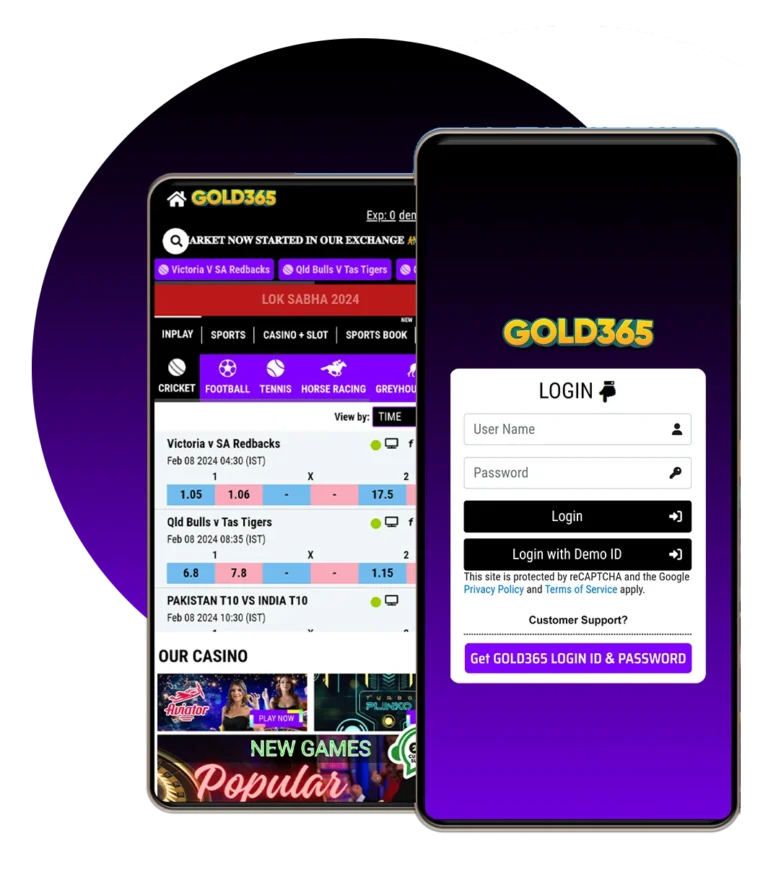
Gold365Exchange entered the market in 2020 with a focus on gold‑backed tokens and a suite of fiat‑to‑crypto gateways. By 2026, the platform has expanded to support a broad array of cryptocurrencies, tokenized commodities, and selected equities. Its core value proposition is a streamlined onboarding process that emphasizes compliance with Indian financial regulations. Users can easily navigate to the gold365 exchange login page to access their dashboards, view real‑time market data, and execute trades with sub‑second latency.
Overview of Diamond Exchange
Diamond Exchange launched in 2018 and quickly positioned itself as a global, multi‑asset marketplace with deep liquidity pools across major crypto pairs, decentralized finance (DeFi) products, and a growing catalog of tokenized real‑world assets. The platform operates under a diversified regulatory framework, holding licenses in several jurisdictions, which it leverages to attract institutional participants. While the onboarding experience is more thorough—requiring additional documentation for higher‑tier accounts—Diamond Exchange offers advanced order types, algorithmic trading tools, and a customizable trading interface that caters to professional traders.
Core Comparison Criteria
To evaluate these platforms objectively, we consider six fundamental dimensions that most traders prioritize: Platform Interface & User Experience, Asset Variety & Liquidity, Fee Structure, Security Measures & Regulatory Compliance, Customer Support & Education, and Mobile & API Integration. Each category is examined in detail below.
Platform Interface & User Experience
Gold365Exchange adopts a clean, minimalist UI that is particularly welcoming to newcomers. The dashboard presents essential metrics—portfolio balance, recent trades, and market tickers—on a single screen, and the navigation menu is limited to a handful of intuitive tabs. By contrast, Diamond Exchange offers a highly customizable workspace: users can arrange widgets, create multi‑chart layouts, and toggle between light and dark themes. This flexibility benefits power users but can overwhelm beginners. Both platforms boast sub‑second order execution, yet Diamond Exchange’s infrastructure supports higher order throughput, making it a better fit for high‑frequency strategies.
Asset Variety & Liquidity
Gold365Exchange’s strength lies in its tokenized gold products and a curated selection of top‑tier cryptocurrencies (Bitcoin, Ethereum, Ripple, and a few stablecoins). The platform maintains tight spreads on these assets thanks to partnerships with major liquidity providers. Diamond Exchange, on the other hand, lists over 1,200 crypto pairs, numerous tokenized commodities, fractional shares of global equities, and emerging DeFi tokens. Its deeper order books and cross‑exchange aggregation deliver superior liquidity, especially for less‑traded assets, which can result in lower slippage for large orders.
Fee Structure
Gold365Exchange positions itself as a low‑cost broker for retail traders. It charges a flat 0.15% taker fee on spot trades and offers a maker rebate of 0.05%. Withdrawal fees are minimal, typically a fixed network fee based on the blockchain used. Diamond Exchange employs a tiered fee schedule: standard users pay 0.20% taker and 0.10% maker fees, but high‑volume traders can negotiate rates as low as 0.05% taker. Additionally, Diamond Exchange levies a modest 0.02% fee on certain DeFi staking services, which Gold365Exchange does not currently provide. Overall, Gold365Exchange is more cost‑effective for small to medium traders, while Diamond Exchange rewards high‑volume activity.
Security Measures & Regulatory Compliance
Both platforms prioritize security, yet their approaches diverge. Gold365Exchange utilizes multi‑factor authentication (MFA), hardware‑wallet integrations, and holds 80% of user assets in cold storage. It complies with the Reserve Bank of India’s (RBI) guidelines and is registered as a “Digital Asset Service Provider” under Indian law. Diamond Exchange follows a “best‑in‑class” security framework: it implements real‑time transaction monitoring, AI‑driven fraud detection, and employs a fully audited custodial solution with 95% cold storage. Its regulatory compliance spans multiple jurisdictions, including the EU’s MiCA framework and the U.S. FinCEN regulations, providing broader legal clarity for global users.
Customer Support & Education
Gold365Exchange offers 24/7 chat support in English and major Indian languages, along with a comprehensive knowledge base that covers onboarding, trading basics, and compliance FAQs. The platform also runs weekly webinars targeting new investors. Diamond Exchange provides multilingual support across eight languages, a ticket‑based system with SLA guarantees, and an extensive “Academy” that includes advanced courses on algorithmic trading, options strategies, and DeFi protocols. While Diamond Exchange’s educational content is more sophisticated, Gold365Exchange’s support is praised for rapid response times and localized assistance.
Mobile & API Integration
Mobile trading is essential in 2026, and both platforms deliver native iOS and Android apps. Gold365Exchange’s app mirrors the web UI, enabling quick trades, portfolio monitoring, and push notifications for price alerts. Diamond Exchange’s mobile suite includes a “Pro” mode with charting tools, custom order types, and API key management directly from the app. For developers and institutional clients, Diamond Exchange offers a RESTful API with WebSocket streams, allowing automated strategies and real‑time market data ingestion. Gold365Exchange provides a more limited API focused on account information and basic order placement, suitable for retail bots.
Which Platform Suits Different Investor Profiles?
Retail beginners and gold‑focused investors: The intuitive design, low fees, and localized support make Gold365Exchange an ideal entry point. Its emphasis on gold‑backed tokens also appeals to those seeking a familiar commodity exposure within a crypto framework. Users can quickly start by creating an account through the gold365 exchange signup page, complete KYC, and begin trading within minutes.
Active traders and professionals: Diamond Exchange’s advanced charting, extensive asset catalog, and flexible fee tiers cater to high‑frequency and algorithmic traders. Its robust API and deep liquidity pools support complex strategies that require rapid execution and minimal slippage.
Institutional and cross‑border investors: The multi‑jurisdictional licensing and comprehensive compliance reporting of Diamond Exchange provide the regulatory comfort necessary for large‑scale capital deployment. Gold365Exchange, while fully compliant within India, may lack the global licensing breadth required for certain institutional mandates.
Final Verdict for 2026
Both Gold365Exchange and Diamond Exchange have evolved into credible, secure, and feature‑rich platforms. The choice ultimately hinges on the trader’s priorities. If cost efficiency, straightforward onboarding, and a focus on gold‑linked assets are paramount, Gold365Exchange emerges as the clear leader for retail participants, especially within the Indian market. Conversely, if a trader demands deep liquidity across a myriad of crypto and tokenized assets, advanced order types, and a globally compliant framework, Diamond Exchange offers a more powerful toolkit.
Conclusion
In the rapidly shifting world of digital asset trading, the right platform can dramatically influence performance, risk management, and overall satisfaction. By dissecting user experience, asset breadth, fees, security, support, and technology, this guide equips you with the insights needed to make an informed decision in 2026. Whether you gravitate toward the simplicity and gold‑centric approach of Gold365Exchange or the expansive, professional‑grade environment of Diamond Exchange, both platforms represent the cutting edge of today’s crypto brokerage landscape. Choose the one that aligns with your trading style, regulatory comfort zone, and long‑term financial objectives, and embark on your investment journey with confidence.